
Running an online store involves much more than adding products and waiting for orders. Sellers need to manage product listings, inventory, orders, pricing, marketplace requirements, customer queries, promotions, and overall store performance. Handling all these tasks manually can become challenging as the business grows.
This is where e-commerce account management services can help. Professional support allows businesses to manage their marketplace operations more efficiently while giving sellers more time to focus on growth, product development, and customer relationships.
Whether you sell on Amazon, Flipkart, Myntra, Meesho, AJIO, or other online marketplaces, having experienced professionals manage day-to-day operations can make your business easier to scale.
Here are seven important reasons to consider professional marketplace account management.
1. Save Time and Reduce Daily Workload
Managing an online marketplace account requires regular attention. Sellers may need to update product information, monitor inventory, process orders, respond to issues, check account notifications, and review performance reports.
When these responsibilities are handled internally, they can take considerable time away from important business activities.
Outsourcing routine marketplace operations can help reduce this workload. A professional team can take care of repetitive tasks while you concentrate on areas such as:
- Product development
- Business expansion
- Customer relationships
- Marketing strategy
- Supplier management
- Overall business growth
This makes professional account support particularly useful for businesses managing a large product catalogue or selling across multiple marketplaces.
2. Improve Product Listings and Catalogue Management
Your product listing is one of the first things potential customers see when they discover your product online. Incomplete information, unclear descriptions, incorrect specifications, or poorly organized catalogs can make it harder for shoppers to understand what you are offering.
Professional product listing management can help keep your catalogue accurate, organized, and consistent.
Depending on the marketplace and business requirements, this may include:
- Product title optimization
- Product descriptions
- Product specifications
- Category selection
- Product attributes
- Image management
- Variation management
- Catalog updates
Well-maintained listings can create a better shopping experience and make it easier for customers to compare products and make purchasing decisions.
3. Manage Inventory More Efficiently
Inventory problems can directly affect an online seller’s performance.
If products are unavailable when customers want to buy them, you may lose potential sales. On the other hand, poor inventory planning can result in excess stock and unnecessary storage costs.
An experienced marketplace management team can help monitor stock levels and coordinate catalogue information across different sales channels.
Effective inventory management can help businesses:
- Monitor product availability
- Reduce stock-related issues
- Keep marketplace information updated
- Identify products that need attention
- Coordinate inventory across sales channels
For businesses selling on multiple platforms, organized inventory management becomes even more important because stock information may need to be monitored across several accounts.
4. Handle Orders, Returns, and Marketplace Operations
Order management is another important part of running an online store.
From receiving an order to processing it and handling returns, sellers need to maintain accurate information throughout the process. Delays or mistakes can negatively affect customer satisfaction and marketplace performance.
Professional marketplace seller management can support routine operational activities such as:
- Order monitoring
- Order processing coordination
- Return management
- Cancellation monitoring
- Customer issue resolution
- Marketplace notifications
- Account-related tasks
Having a structured process can make daily operations more manageable and help sellers respond to marketplace requirements more efficiently.
5. Improve Marketplace Visibility and Sales Opportunities
Simply listing a product does not guarantee that customers will find or purchase it.
Marketplace performance can depend on several factors, including product information, pricing, availability, customer experience, promotions, and overall account health.
An experienced team can regularly review product performance and identify areas that may need improvement.
For example, they may evaluate:
- Underperforming products
- Product listing quality
- Pricing information
- Product availability
- Marketplace promotions
- Catalog accuracy
- Sales trends
These insights can help businesses make more informed decisions about their marketplace strategy instead of managing their stores without performance data.
6. Get Professional Expertise Across Multiple Marketplaces
Every marketplace has its own interface, requirements, policies, catalogue structure, and seller processes.
Managing several platforms at the same time can therefore become complicated.
Professional ecommerce marketplace management provides businesses with specialized support for handling different sales channels.
For example, a seller may need assistance with operations across:
- Amazon
- Flipkart
- Myntra
- Meesho
- AJIO
- Nykaa
- Other relevant marketplaces
Instead of building a separate internal team for every platform, businesses can work with experienced marketplace professionals who understand the operational requirements of different channels.
This can be especially useful for growing brands that want to expand their online presence without creating unnecessary operational complexity.
7. Support Long-Term Ecommerce Business Growth
The ultimate goal of managing an online marketplace is not simply to keep the account active. Businesses need to build sustainable sales and create a strong presence across digital channels.
Professional account management can help create a more organized foundation for growth by bringing different operational activities together.
With the right support, businesses can spend more time on strategic activities while routine marketplace tasks are handled by specialists.
This can help brands work toward goals such as:
- Expanding to new marketplaces
- Managing a larger product catalogue
- Improving operational efficiency
- Increasing online sales opportunities
- Building a stronger marketplace presence
- Scaling ecommerce operations
What Do E-commerce Account Management Services Usually Include?
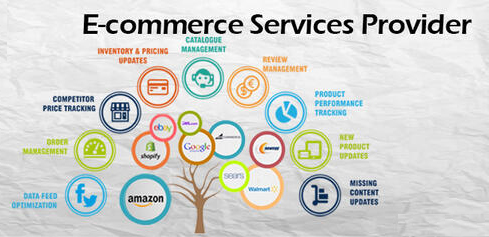
The exact services depend on the provider and the requirements of the business. However, professional marketplace support may include:
- Seller account management
- Product listing management
- Catalog management
- Inventory management
- Order management
- Returns and cancellation support
- Marketplace performance monitoring
- Account health monitoring
- Product content optimization
- Marketplace expansion support
For businesses selling across multiple platforms, combining these activities under one management process can make operations easier to coordinate.
Who Should Consider Marketplace Account Management?
These services can be useful for different types of ecommerce businesses, including:
New online sellers: Businesses entering marketplaces for the first time may need help understanding marketplace operations and managing their accounts.
Growing brands: Brands with increasing orders and larger catalogues may find it difficult to handle every task internally.
Multi-marketplace sellers: Businesses selling on Amazon, Flipkart, Myntra, Meesho, AJIO, or other platforms can benefit from centralized operational support.
Busy business owners: Entrepreneurs who want to focus on strategy and growth rather than repetitive marketplace tasks can outsource daily operations.
Why Choose SellerSeva for Ecommerce Account Management?
Managing multiple marketplace activities requires consistent attention and an organized approach. SellerSeva provides ecommerce and marketplace management support designed to help sellers manage their online operations more efficiently.
From catalogue and product listing management to inventory, orders, and marketplace-related activities, professional support can help businesses spend less time dealing with routine operational tasks and more time working toward growth.
If your business is selling on multiple ecommerce platforms and managing everything internally has become difficult, professional account management may be worth considering.
Final Thoughts
Managing an online store involves product listings, inventory, orders, and marketplace operations. SellerSeva helps businesses simplify these tasks through professional e-commerce account management services. With expert support, sellers can improve operational efficiency, manage multiple marketplaces, and focus more on business growth. If your e-commerce operations are becoming difficult to handle, SellerSeva can provide the structured support needed to manage your online business efficiently and scale with confidence.
For more information please visit our website – https://sellerseva.com/
Related posts
The Best eCommerce Service Providers in India
If you’re looking for eCommerce service providers in India , you’ve come to the right place. In this blog post, we will …